About Nepal

Home - About Nepal

Population & Demography

Nepal, home to over 30 million people, is a youthful nation with a median age of 24 years. Over 60% of its population is of working age (15–59 years), creating a vibrant pool of energetic, adaptable, and motivated individuals ready to contribute to global industries.

Geography & Workforce Spirit

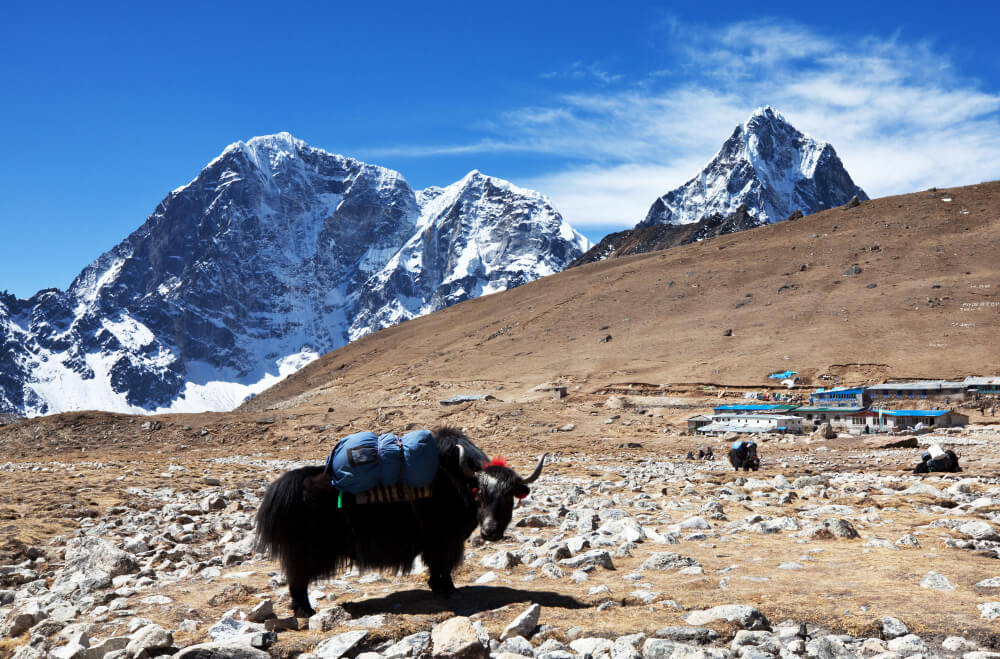
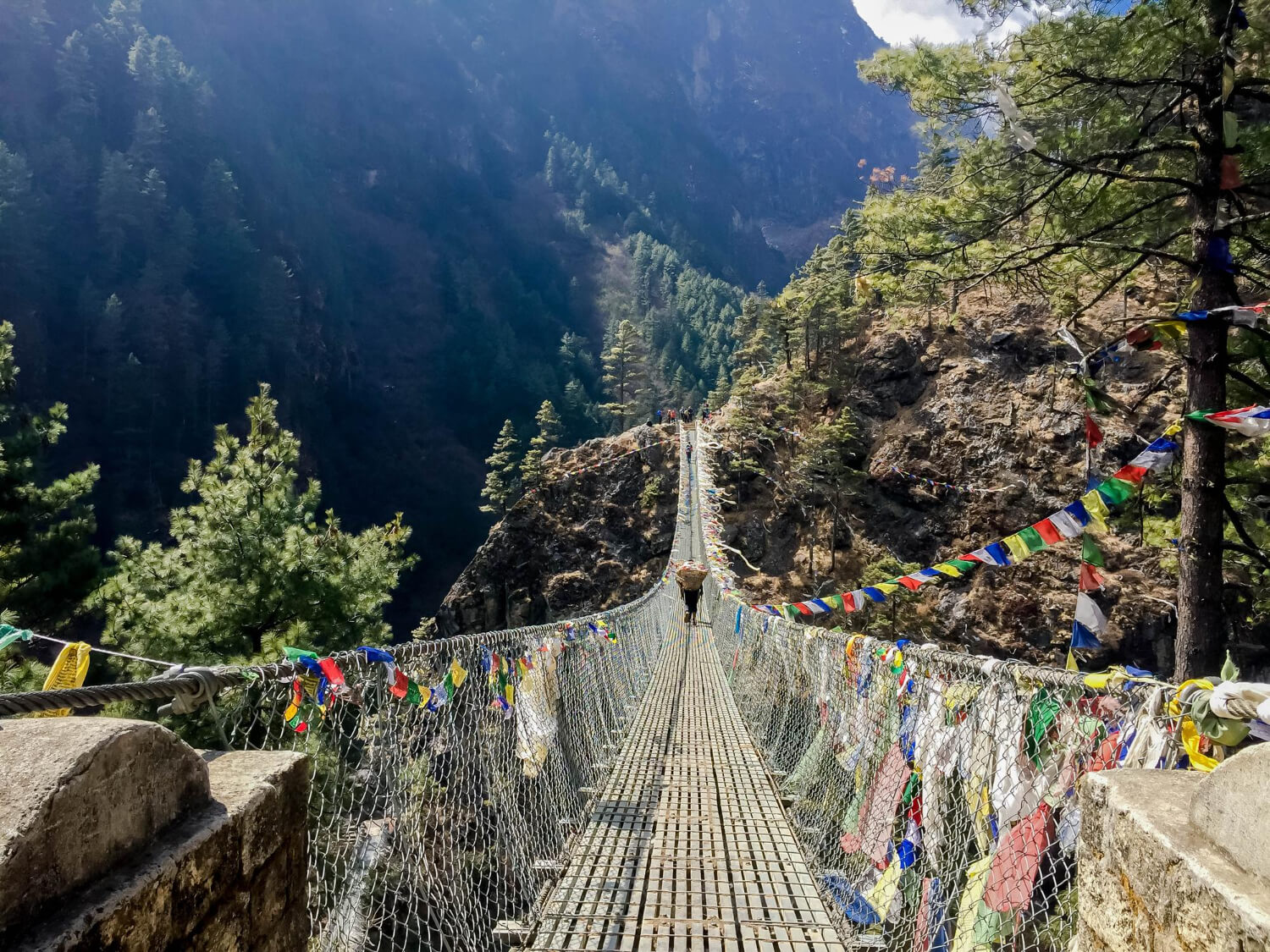
Nestled in the Himalayas, Nepal’s rugged terrain has shaped a workforce known for resilience, discipline, and hard work. From the bustling cities of Kathmandu and Pokhara to the rural heartlands, Nepalis carry a tradition of perseverance and teamwork, making them ideal candidates for diverse sectors

Nepal’s Global Workforce

Working Countries & Manpower Distribution

Nepali workers are highly sought after worldwide, with over 4 million Nepalis contributing their skills in key countries such as:

  • Middle East: Qatar, Saudi Arabia, UAE (construction, hospitality, healthcare)
  • Asia: Malaysia, Japan, South Korea (manufacturing, agriculture, IT)
  • Beyond: Europe, North America (healthcare, engineering, hospitality)

This diaspora not only supports Nepal’s economy (remittances account for ~25% of GDP) but also drives progress in host nations through their dedication.

Quality & Discipline of Nepali Manpower

Qualified Manpower

  • Skilled Professionals: Nurses, engineers, IT specialists, and certified technicians trained in Nepal’s institutes and vocational centers.
  • Language Proficiency: Many workers are fluent in English, Hindi, and other languages, easing communication in multicultural workplaces.

Non-Qualified Manpower

  • Hardworking Labor: Trained in construction, hospitality, agriculture, and domestic work, the000 se workers bring reliability, physical stamina, and a willingness to learn.
  • Pre-Departure Training: Global HR ensures even non-qualified workers receive basic skill certifications (e.g., safety protocols, language basics) to meet employer standards.
Core Strengths
  • Discipline: Punctuality, respect for hierarchy, and adherence to workplace rules.
  • Adaptability: Experience working in diverse cultures and climates.
  • Integrity: Strong moral values and commitment to fulfilling contractual obligations.
Why Partner with Global HR?
  • Ethical Recruitment: We prioritize transparency, fair wages, and safe working conditions.
  • Tailored Matching: We align employer needs with worker skills, experience, and cultural fit.
  • End-to-End Support: From documentation to pre-departure orientation, we ensure seamless transitions.
Our Commitment

At Global HR, we believe in empowering Nepal’s workforce while delivering excellence to global employers. By choosing us, you invest in:
  • Trusted Talent: Workers who embody Nepal’s legacy of resilience and humility.
  • Sustainable Growth: Ethical practices that uplift communities and fuel economies.

Foreign Recruitment and Its Impact on Nepal’s Economy

Foreign employment has become a cornerstone of Nepal’s economy, shaping livelihoods, stabilizing macroeconomic indicators, and driving socio-economic transformation. Below is a detailed analysis of its contributions and challenges:

  • Remittances: A Lifeline for Economic Stability
    • GDP Contribution: Remittances account for 26.6% of Nepal’s GDP (2023), totaling over $11 billion annually. This surpasses foreign aid and investment combined, making it the largest source of foreign currency 1319.
    • Poverty Reduction: Remittances have reduced extreme poverty from 70% to 25% over 15 years by funding education, healthcare, and housing for millions of households 19.
    • Balance of Payments: Remittances offset trade deficits, stabilize foreign exchange reserves (covering 15 months of imports), and improve Nepal’s current account surplus 185.
    1. Employment and Skill Development

    • Youth Employment: Over 3.5 million Nepalis work abroad, with 1,600 workers leaving daily for jobs in sectors like construction, hospitality, and healthcare 1318.
    • Skill Acquisition: Migrants gain technical expertise abroad (e.g., in Japan or South Korea), which, if leveraged, could enhance Nepal’s industrial and agricultural productivity 1319.
    • Reduced Domestic Unemployment: Foreign employment absorbs Nepal’s underutilized labor force, particularly in rural areas where local opportunities are scarce 39.

    Socio-Economic Transformation

    • Women’s Empowerment: With men migrating, women increasingly manage household finances and community decisions, accelerating gender equality and maternal health improvements 19.
    • Rural Development: Remittances fund small businesses, land purchases, and education, though over-reliance on consumption (e.g., imports) limits long-term growth 919.
    • Human Capital: Migrants returning with savings and skills can drive entrepreneurship, though Nepal lacks structured reintegration programs to capitalize on this potential 1318.
    1. Challenges and Risks

    • Over-Reliance: Remittances are largely spent on non-productive sectors (e.g., real estate), creating a “remittance economy” vulnerable to global labor market shifts 913.
    • Human Cost: Over 14,000 migrant deaths in 15 years highlight risks like unsafe working conditions and exploitation by unscrupulous recruitment agencies 18.
    • Skill Mismatch: Outdated vocational training (e.g., traditional garment-making) fails to align with international job market demands, limiting upward mobility 13.
    1. Policy Recommendations for Sustainable Growth

    • Formalizing Remittances: Encourage formal transfers (vs. informal Hundi systems) to maximize financial inflows and reduce leakage 513.
    • Skill Development: Align CTEVT programs with global standards (e.g., production-line skills) and provide pre-departure orientation 1318.
    • Legal Protections: Strengthen labor agreements with destination countries, crack down on corrupt recruitment practices, and ensure migrant rights 1318.
    • Productive Investment: Incentivize remittance-funded entrepreneurship (e.g., agro-industries) to reduce import dependency 919.
    Conclusion

    Foreign recruitment is a double-edged sword: while it sustains Nepal’s economy through remittances and poverty alleviation, its long-term sustainability hinges on addressing systemic issues like skill gaps, worker safety, and productive investment. By reforming policies and leveraging returning migrants’ expertise, Nepal can transition from a remittance-dependent economy to one driven by domestic innovation and self-reliance


    Establishing a Legacy of Discipline and Resilience
    • Historical Prestige:
      Since the early 19th century, Gurkha soldiers have served in the British and Indian armies, earning a global reputation for courage, discipline, and unwavering commitment. This legacy sets a high standard for work ethics and reliability that is now associated with Nepali labor in general.
    • Cultural Transmission:
      The rigorous training, structured discipline, and the storied combat history of the Gurkhas have not only forged a distinct military culture but have also permeated local communities. Young Nepalis grow up admiring these values, which reinforces a collective identity marked by resilience and adaptability—traits that are highly prized by employers abroad.


    Influencing Migration Aspirations and Networks

    • Role Models and Aspirational Impact:
      Gurkha veterans often serve as role models in Nepali society. Their successes—both in terms of earnings and the respect they garner—encourage younger generations to seek opportunities abroad. Many aspiring workers view international employment as a path to economic advancement modeled on the Gurkha experience.
    • Recruitment Networks:
      Over the years, established Gurkha networks have helped shape the global migration of Nepali workers. Ex-Gurkha soldiers and their families have created informal channels for sharing job opportunities and advice, facilitating smoother transitions for those moving into foreign employment sectors such as construction, healthcare, and security.

    Economic Contributions and the Remittance Economy

    • Remittance-Driven Growth:
      The success of Gurkha soldiers has contributed to a strong remittance culture in Nepal. Money sent home by workers—whether ex-military or civilian laborers influenced by the Gurkha legacy—forms a significant part of Nepal’s GDP. This remittance economy supports household incomes, community development, and even public services in rural areas.
    • Community Development:
      The funds and social capital amassed by Gurkha veterans have led to the establishment of welfare organizations (for example, the Gurkha Welfare Trust) that invest in local infrastructure, education, and health. This not only benefits retired soldiers but also enhances the overall socioeconomic environment from which many future migrants emerge.

     Broadening the Scope of Nepali Foreign Labor

    • Diversification Beyond Military Roles:
      While Gurkhas were initially recruited for military service, the traits they exemplify—hard work, discipline, and resilience—have become a hallmark of Nepali workers in various industries. Today, Nepali labor is highly sought after in sectors such as construction, hospitality, agriculture, and healthcare across the Middle East, Asia, Europe, and North America.
    • Changing Social Norms:
      The long-term effects of military recruitment have helped normalize foreign employment as a viable and respected pathway for economic mobility. This has led to a broader acceptance of international migration, reducing the stigma that might once have been attached to leaving one’s home country for work.

    Conclusion

    In summary, the historical legacy of Gurkha soldiers has deeply influenced the work ethic, migration patterns, and global reputation of Nepali workers. The disciplined and resilient image cultivated over two centuries not only makes Nepali workers attractive to international employers but also fosters strong migration networks and a robust remittance economy that continues to shape Nepal’s development today.